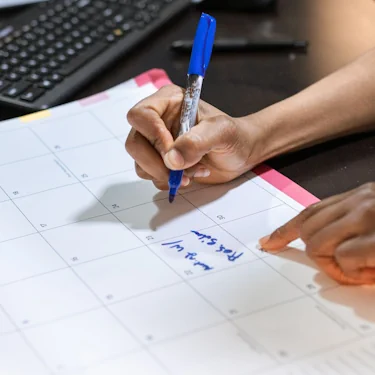
Why Timesheets Matter for Freelancers and Contractors
Ask most freelancers about timesheets and you'll get a sigh. They feel like admin, like the chore you do instead of the work you're actually paid for. But when you're the one sending the invoice, a timesheet is something more useful than paperwork. It's the record that backs up what you charge, protects your reputation when a client has questions, and shows you where your time genuinely goes. Here's why keeping one earns back the few minutes a week it costs.
You get paid for the work you actually did
The hours you forget to log are hours you give away for free. A quick call here, twenty minutes answering emails there, a tweak you made on a Sunday evening: on their own they feel too small to bother with, but over a month they add up to real money. A timesheet that's filled in as you go catches all of it, so your invoice reflects the work you did rather than the work you happened to remember.
Invoicing gets faster and less awkward
A complete timesheet is basically an invoice waiting to happen. When your billable hours and rates are already attached to each project, turning a month's work into a bill is a matter of minutes rather than an evening of detective work. And if a client ever asks "what's this line for?", you can answer with specifics instead of a vague guess, which tends to end the conversation a lot faster.
You can see which work is actually worth it
Track your time for a few weeks and patterns start to show. You notice the client who books "a quick chat" three times a week, the project that always runs over, the type of work that pays well for the effort and the type that doesn't. That's not just interesting, it's the data you use to raise a rate, drop a bad fit, or weight your week towards the work that actually pays. Recording non-billable time matters here too, because unpaid admin is often where a week quietly disappears.
It protects you when something is questioned
Disagreements over a bill are uncomfortable, and memory is a weak defence. A clear, dated record of what you worked on and when turns a potential argument into a quick reference. Most of the time you'll never need it, but on the rare occasion a client pushes back, having the detail to hand is the difference between an awkward negotiation and a two-minute reply.
It builds a professional track record
Consistent, well-kept records say something about how you work. They make rate conversations and contract renewals easier, they smooth out the occasional dispute, and over time they give you a history you can point to. For a contractor weighing up a new engagement, or a freelancer quoting on a project that looks a lot like one you've done before, that history is genuinely useful: you can price the next job from real numbers instead of a hopeful guess.
The catch, and how to beat it
Here's the honest part. The reason timesheets get skipped isn't that people don't see the value, it's that filling them in is dull and easy to put off. The fix is to make it take almost no effort, which is exactly the problem VibaCloud sets out to solve. It builds your timesheet from the calendar you already keep, so the record looks after itself and you keep all the benefits above without the Friday afternoon dread.
Ready to make it painless? Getting Started with VibaCloud walks you through your first timesheet, built from a calendar you already keep.